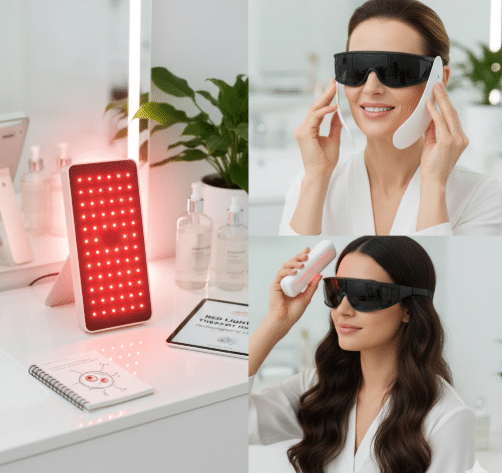
The quest for eternal youth and a full head of hair has led many down a myriad of paths, from expensive salon treatments to innovative at-home devices. Among the most talked-about contenders in recent years is red light therapy (RLT), also known as low-level laser therapy (LLLT). Once confined to clinical settings, RLT devices are now readily available for home use, promising everything from thicker hair to smoother skin. But what’s the dermatologist’s take on these claims? Is red light therapy truly a magic bullet, or just another fleeting trend? Let’s delve into the science and separate fact from fiction.
Understanding Red Light Therapy
At its core, red light therapy involves exposing the body to low levels of red or near-infrared light. Unlike ultraviolet (UV) light, which can damage skin, red light is therapeutic. It penetrates the skin, reaching cells and stimulating their mitochondria – often referred to as the “powerhouses” of the cell. This stimulation is believed to kickstart a cascade of beneficial cellular processes, leading to improved cellular function and regeneration.
The specific wavelengths used are crucial:
- Red light (typically 630-700 nm): Primarily absorbed by the skin’s surface, making it beneficial for superficial skin concerns.
- Near-infrared light (typically 800-1000 nm): Penetrates deeper into tissues, reaching hair follicles, muscles, and even bones, offering broader therapeutic effects.
Red Light Therapy for Thinning Hair: A Ray of Hope?
Hair loss is a widespread concern, affecting millions globally. Androgenetic alopecia, commonly known as male or female pattern baldness, is the most prevalent form. The good news is that for thinning hair, particularly androgenetic alopecia, there’s a growing body of evidence supporting the efficacy of red light therapy.
How it Works for Hair:
The proposed mechanism is that red and near-infrared light stimulate adenosine triphosphate (ATP) production in the hair follicle cells. This increased energy promotes cell proliferation, improves blood circulation to the scalp, reduces inflammation, and extends the anagen (growth) phase of the hair cycle. It can also help reduce the production of dihydrotestosterone (DHT), a hormone linked to hair miniaturization in pattern baldness.
Dermatologist’s Verdict on Hair:
Many dermatologists are cautiously optimistic about RLT for hair thinning, especially when used consistently and as an adjunct to other proven treatments like minoxidil or finasteride. Numerous studies have shown promising results, indicating increased hair density and thickness.
| Study Focus | Wavelength | Duration | Key Findings |
| Androgenetic Alopecia (Males) | 655 nm | 24 weeks | Significant increase in hair count and thickness compared to placebo. |
| Androgenetic Alopecia (Females) | 650 nm | 16 weeks | Increased hair density and subjective improvement in hair growth. |
| General Hair Loss | 630-660 nm | Varies | Improved hair growth, reduced shedding, and increased hair strength. |
Important Considerations for Hair:
- Consistency is Key: Results are not immediate and require consistent, long-term use (often several months) to become noticeable.
- Not for Everyone: RLT is most effective for mild to moderate hair thinning and not for complete baldness, where hair follicles are no longer viable.
- Combination Therapy: Dermatologists often recommend combining RLT with other medical treatments for optimal results.
- Device Quality: Not all devices are created equal. Look for FDA-cleared devices that specify wavelength and irradiance.
Red Light Therapy for Anti-Aging: Turning Back the Clock?
The pursuit of youthful skin is another major driving force behind the popularity of at-home RLT devices. Claims range from reducing wrinkles and fine lines to improving skin tone and texture.
How it Works for Anti-Aging:
Red light therapy is believed to stimulate fibroblasts, the cells responsible for producing collagen and elastin – the essential proteins that give skin its firmness and elasticity. By boosting collagen and elastin production, RLT aims to reduce the appearance of wrinkles, improve skin texture, and promote a more youthful glow. It can also help reduce inflammation and improve circulation, contributing to healthier-looking skin.
Dermatologist’s Verdict on Anti-Aging:
Similar to hair growth, dermatologists acknowledge the potential benefits of RLT for anti-aging, but often with a dose of realism. While it can contribute to skin rejuvenation, it’s not a substitute for professional in-office procedures or a robust skincare regimen.
| Study Focus | Wavelength | Duration | Key Findings |
| Wrinkles and Fine Lines | 633 nm & 830 nm | 12 weeks | Significant improvement in skin texture, firmness, and reduction in wrinkles. |
| Collagen Production | Various | Varies | Increased collagen density and improved skin elasticity. |
| Acne and Inflammation | 630 nm | 8 weeks | Reduced inflammatory lesions and overall improvement in acne severity. |
Important Considerations for Anti-Aging:
- Subtle Improvements: While studies show positive results, the anti-aging effects are generally more subtle compared to what can be achieved with procedures like lasers or injectables.
- Consistency and Patience: As with hair, regular and consistent use over several weeks to months is necessary to see noticeable improvements.
- Complementary Role: RLT is best viewed as a complementary treatment to a comprehensive anti-aging strategy that includes sunscreen, retinoids, antioxidants, and professional guidance.
- Depth of Penetration: Near-infrared light may be more effective for deeper anti-aging concerns, while red light is better for surface-level issues.
Choosing an At-Home Device: What to Look For
With a plethora of devices on the market, choosing the right one can be daunting. Here’s what dermatologists recommend considering:
- FDA Clearance: Look for devices that are FDA-cleared. This indicates they have been tested and found to be safe and effective for their intended use.
- Wavelengths: Ensure the device uses the optimal wavelengths (630-700 nm for red light and 800-1000 nm for near-infrared light). Some devices offer a combination of both.
- Irradiance/Power Output: This refers to the light energy delivered per unit area. Higher irradiance can mean shorter treatment times, but excessively high power isn’t necessarily better and could potentially cause discomfort. Reputable brands will provide this information.
- Treatment Area: Consider the size of the area you want to treat. Panels are good for larger areas like the scalp or face, while handheld devices offer targeted treatment.
- Ease of Use & Safety Features: Is it comfortable to hold? Does it have an automatic shut-off? Does it come with eye protection?
- Reputation and Reviews: Research the brand and read reviews, but be discerning.
Safety and Side Effects
Red light therapy is generally considered safe with minimal side effects when used according to instructions. The most common minor side effects include:
- Temporary redness or tenderness in the treated area.
- Eye strain if not using proper eye protection (always wear the provided goggles).
It’s always wise to consult with your dermatologist before starting any new treatment, especially if you have underlying skin conditions, are pregnant, or are taking photosensitizing medications.
Conclusion: A Promising Adjunct, Not a Miracle Cure
From a dermatologist’s perspective, at-home red light therapy holds genuine promise for both thinning hair and anti-aging. However, it’s crucial to manage expectations. It’s not a miracle cure that will instantly restore a full head of hair or erase all wrinkles overnight.
For thinning hair, particularly androgenetic alopecia, RLT can be a valuable addition to a treatment plan, potentially enhancing the effects of topical and oral medications. For anti-aging, it offers subtle yet noticeable improvements in skin texture, tone, and fine lines, working best as a complementary tool within a holistic skincare regimen.
The key to success with at-home RLT lies in consistency, patience, choosing a high-quality, FDA-cleared device, and maintaining realistic expectations. As research continues to evolve, red light therapy is cementing its place as a legitimate, non-invasive option for those seeking to improve their hair and skin health from the comfort of their own home.
Important FAQs about Red Light Therapy
Q1: How long does it take to see results from red light therapy?
A1: Results vary depending on the individual, the condition being treated, and the consistency of use. For hair growth, it typically takes 3-6 months to see noticeable improvements. For anti-aging, subtle changes in skin texture and tone might appear within 4-8 weeks, with more significant improvements after 3-6 months.
Q2: Is red light therapy safe for all skin types?
A2: Yes, red light therapy is generally considered safe for all skin types and tones. Unlike some laser treatments, it doesn’t cause thermal damage and carries a very low risk of hyperpigmentation or other side effects in darker skin tones.
Q3: Can I use red light therapy every day?
A3: Many at-home devices are designed for daily or every-other-day use. Always follow the manufacturer’s specific instructions for your device, as overuse isn’t necessarily more effective and could potentially lead to minor skin irritation.
Q4: Does red light therapy work for severe hair loss or deep wrinkles?
A4: Red light therapy is most effective for mild to moderate hair thinning and fine lines/surface wrinkles. It’s generally not sufficient for severe hair loss where follicles are completely dormant, nor for deep, established wrinkles or significant skin laxity, which may require more intensive medical or cosmetic procedures.
Q5: Do I need to wear eye protection during red light therapy?
A5: Yes, absolutely. While red and near-infrared light are not harmful to the eyes in the way UV light is, prolonged direct exposure to bright LEDs can cause discomfort or temporary vision changes. Always use the provided eye protection or close your eyes during facial treatments.
Q6: Can red light therapy cause skin cancer?
A6: No, red light therapy does not use UV light and is not associated with an increased risk of skin cancer. In fact, some research suggests it may even have protective and reparative effects on skin cells.